[ News and Blog ]
AI SEO Tools and LLM Strategy For 2026
|
AI SEO & Search Systems

Arpan Sharma
AI Search & Marketing Systems
AI SEO in 2026 is about LLM citations, not rankings. Learn how to build entity-driven SEO systems that drive traffic and real business results.
The SEO playbook has changed.
Ranking #1 is no longer the goal.
In 2026, visibility comes from being cited inside AI-generated answers across platforms like ChatGPT and Perplexity AI.
Search is moving from links to answers.
If your content is not structured for AI systems, it will not show up where decisions are made.
This is where AI SEO systems and LLM strategy come in.
To understand the shift from traditional SEO to AI-driven search, read this: Generative Engine Optimization Basics Guide
What Changed in SEO
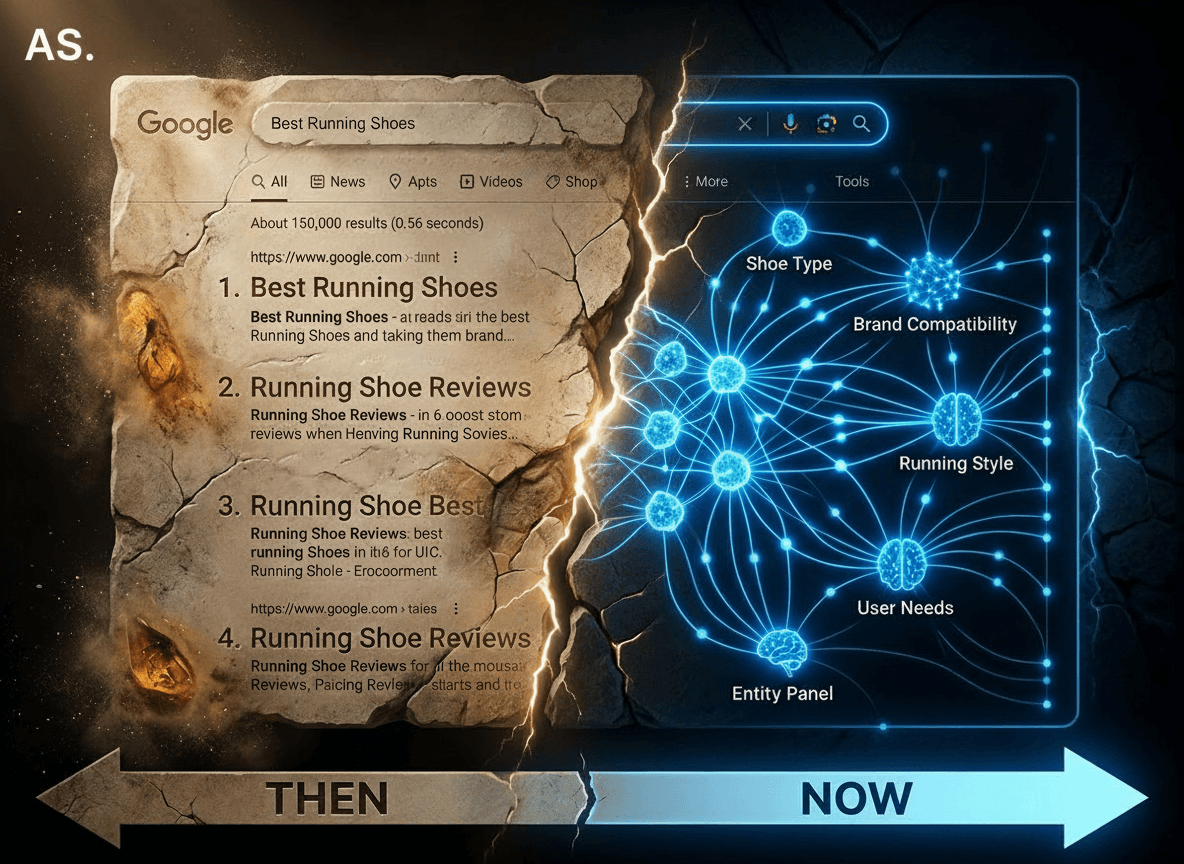
Search engines no longer just index pages.
They:
interpret context
connect entities
generate answers
That means:
👉 Keywords alone are not enough
👉 Authority comes from topic depth
👉 Structure matters more than volume
If your blog is a collection of random posts, it will not compete.
1. AI Keyword Research Is Now Entity Mapping
Traditional keyword research focused on:
volume
difficulty
That model is outdated.
Modern tools like SEMrush and Google Search Console now help you build topic clusters.
What to do instead:
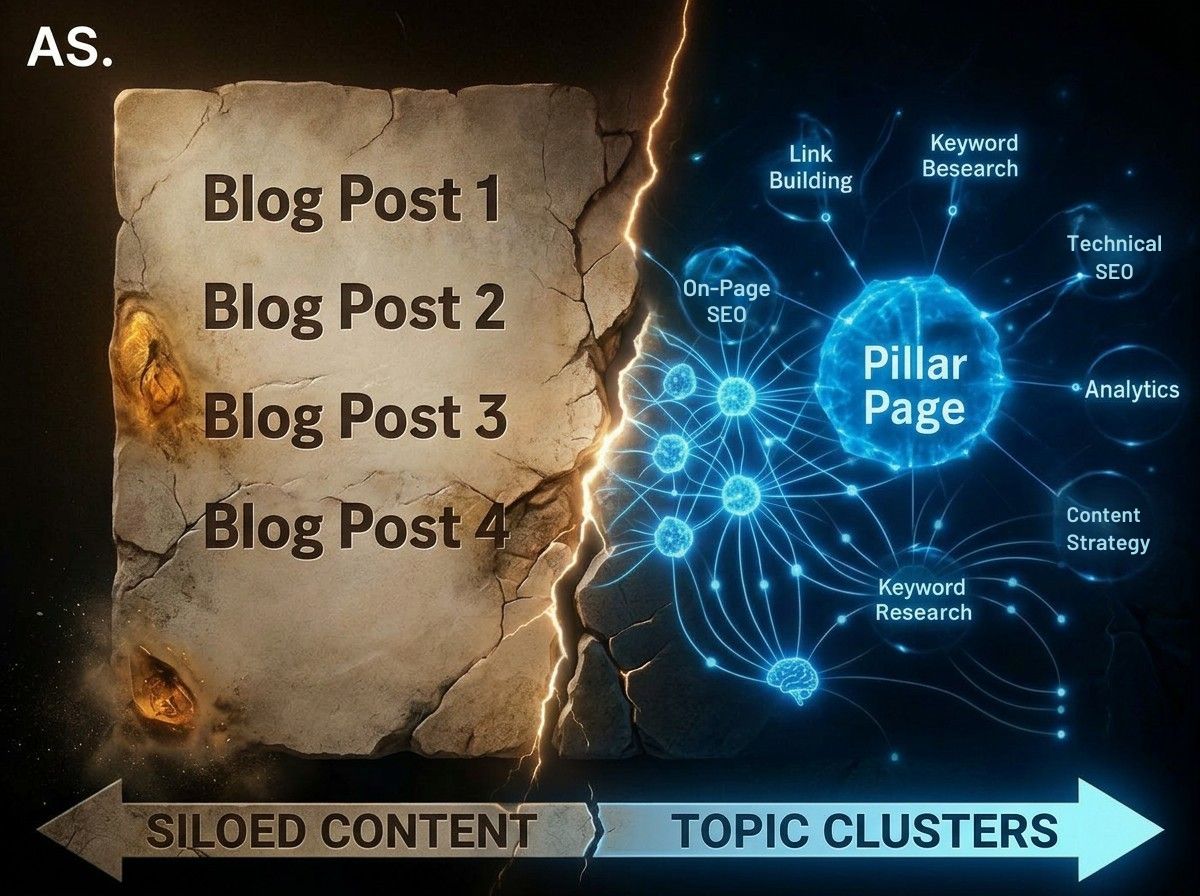
Build clusters, not posts
Example cluster:
AI SEO tools
LLM SEO strategy
AI content optimization
These should connect, not compete.
Map intent clearly
Every keyword should fall into:
learning
evaluating
acting
“best marketing automation tools” = high intent
That should connect to your services.
Think in entities
Search engines track:
your niche
your consistency
your depth
If you cover AI SEO across multiple angles, you become a reference point.
2. Automation Is Your Growth Multiplier
You cannot scale SEO manually.
You need systems.
Workflow automation
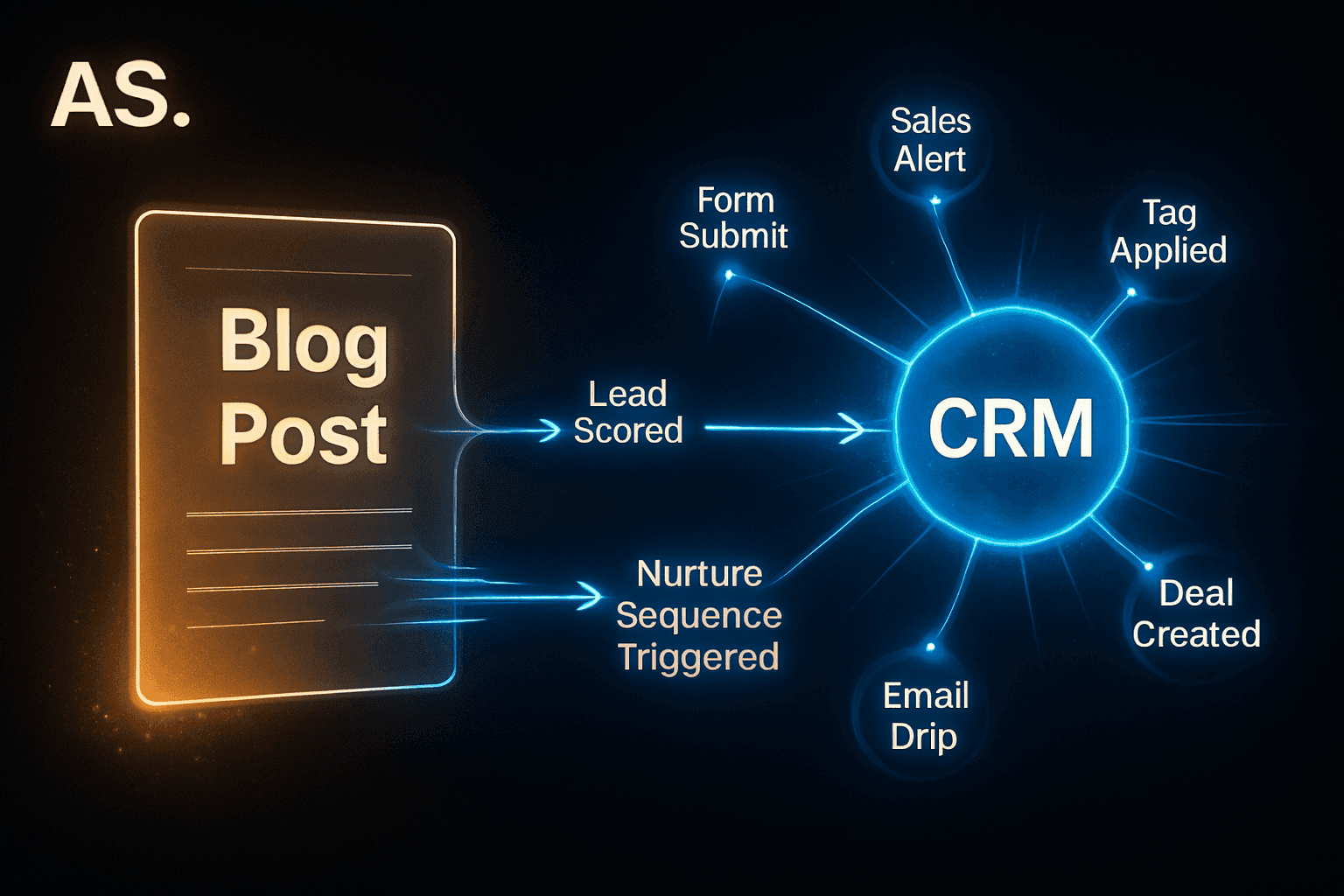
Tools like Zapier help you:
capture leads from blog pages
send them to CRM
trigger follow-ups
Your blog should generate pipeline, not just traffic.
Technical SEO automation
Use AI tools to detect:
page speed issues
broken links
missing metadata
Start here:
Common SEO Mistakes
Fixing these early compounds over time.
Internal linking system
Every article should:
link to related posts
reinforce your core topics
This builds authority instead of isolated content.
3. Content Strategy That Gets Cited
AI does not reward volume.
It rewards clarity.
What works:
Structured content
clear headings
bullet points
logical flow
AI systems extract structured content faster.
Practical insights
Skip generic advice.
Show:
how you do keyword clustering
how you structure content
what actually worked
Content tied to funnels
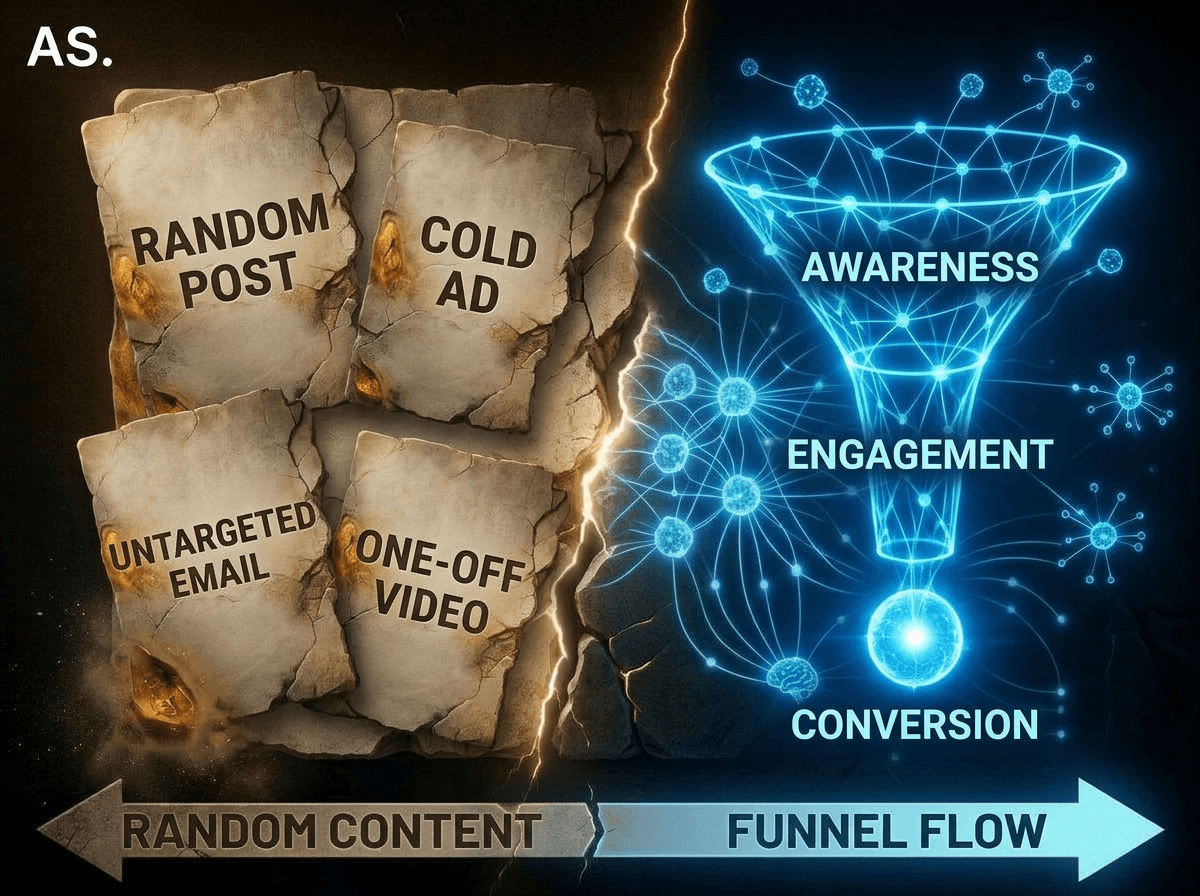
Your blog should move users across stages:
awareness
trust
action
Most blogs fail because they stop at information.
Meta optimization still matters
Even in AI search:
title = attention
meta = click
Weak metadata kills distribution early.
4. SEO Metrics That Actually Matter
Traffic alone is not growth.
You need outcome-focused tracking.
Track this:
Core metrics
organic traffic
keyword visibility
conversions
Use Google Analytics to measure behavior.
Campaign tracking
Use UTM tags:
utm_campaign=ai_seo_tools
This shows which content drives leads.
Monthly iteration
Every 30 days:
update weak content
improve structure
refine targeting
SEO is not static.
The Shift: From Ranking to Referencing
Search has changed.
The goal is not to rank first.
The goal is to be trusted enough to be cited.
That happens when you:
build topic depth
connect content
create systems
FAQ
What AI SEO tools are actually worth paying for in 2026?
The tools worth paying for are those that save meaningful time on tasks you do repeatedly. Semrush or Ahrefs for keyword research and competitor tracking, Perplexity Pro for cited research synthesis, and a strong LLM like Claude or ChatGPT for drafting and content ideation are the core three. Beyond that, the value drops off quickly. Most AI SEO tools are wrappers around the same underlying models — before paying for a specialised tool, check whether your existing LLM can do the same job with a well-structured prompt.
Can I do AI SEO effectively without expensive tools?
Yes. The free tier of ChatGPT or Claude handles content ideation, outlining, and draft writing. Google Search Console gives you keyword and performance data for free. Perplexity’s free tier lets you run GEO audit searches. Google’s free Keyword Planner covers basic keyword research. For a founder in the early stages, these free tools combined with a clear content strategy will outperform an expensive tool used without a system. Tools amplify strategy — they don’t replace it.
How do I measure whether my AI SEO strategy is actually working?
Track four signals monthly: organic impressions and clicks in Google Search Console, AI citation appearances (search your key topics in Perplexity and ChatGPT and see if your site is cited), inbound leads or enquiries sourced to organic/content, and your site’s presence in Google’s AI Overviews for your target keywords. Meaningful movement across all four over a 90-day window confirms the system is working. If only one signal is improving, the strategy is partially working but missing a layer.
Build This the Right Way
The tools only work when the strategy is right. For the complete AI SEO framework — entity signals, content clustering, GEO, and the 90-day roadmap that sequences it all — read The Complete AI SEO System for Founders.
If you want a structured approach instead of random posting:
We help small businesses build:
AI SEO systems
content funnels
automation workflows
No fluff. Just execution.