[ News and Blog ]
12 AI Micro SaaS Ideas You Can Start in 7 Days
|
Small Business


Arpan Sharma
AI Search & Marketing Systems
If you’ve ever thought, “Can I launch something in a week and make real money?” — the answer is yes.
Over the last few years, I’ve helped dozens of founders validate, build, and scale tiny SaaS products from $0 to $10K MRR — without fundraising, burnout, or 100-hour weeks.
Today, I’m sharing 12 proven AI Micro SaaS ideas that you can build and validate in just seven days.
Each one solves a simple, painful problem — for a small, specific audience.
Let’s get into it. 👇
1. AI Client Onboarding Assistant
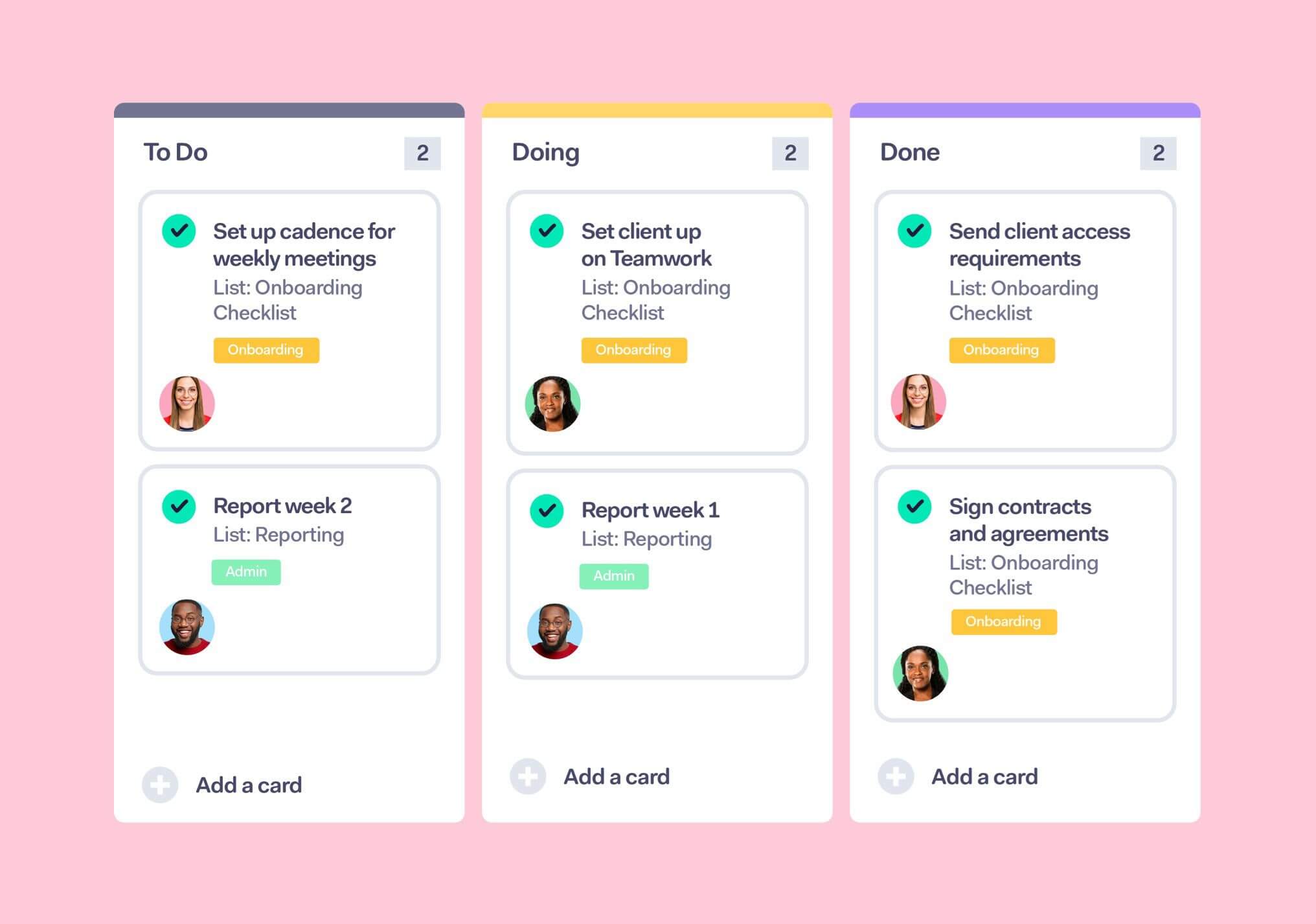
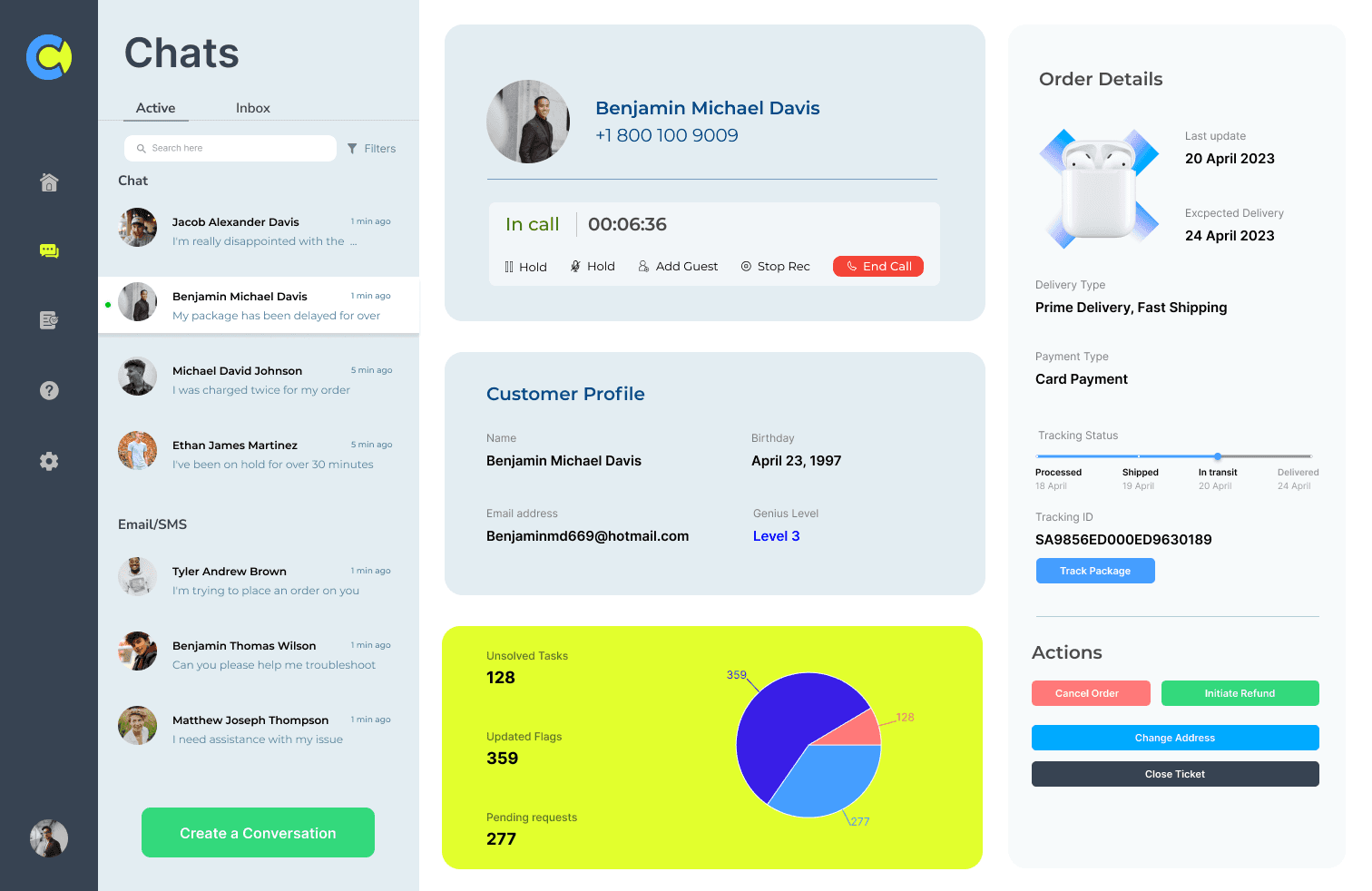
The Idea: A micro app that automates client onboarding with checklists, progress tracking, and personalized AI-generated welcome emails.
Why it works:
Most businesses obsess over features but ignore onboarding — which is where retention actually happens. This tool plugs into CRMs like HubSpot or Notion, ensuring every client feels guided, not ghosted.
Launch tip: Offer it as a plugin that integrates with automation tools like Zapier for quick adoption.
2. Smart Invoice Reminder Bot
The Idea: A bot that sends friendly payment reminders via SMS, WhatsApp, or Slack — not just email.
Why it works:
Invoices often get buried in inboxes. But text messages get opened 98% of the time. Combine a little AI tone-personalization, and you’ve got a $20/month lifesaver for freelancers and small businesses.
Bonus: You can pre-train AI on brand tone so messages sound polite, not pushy.
3. Niche Project Tracker for Creators
The Idea: An AI-assisted project management system tailored to creators — podcasters, coaches, and content marketers.
Why it works:
Generic tools like Asana or ClickUp feel bloated.
Creators need structure without the complexity. Prebuild niche-specific templates that speak their language.
Example niche: “Podcast Production Tracker” — from guest outreach to episode publishing.
4. AI-Powered Meeting Recap Tool
The Idea: A lightweight AI app that records, transcribes, and summarizes meetings — then stores notes in Google Drive or Dropbox.
Why it works:
Tools like Otter and Fireflies are great, but pricey and closed. A micro version that’s affordable, integrates well, and respects data privacy? That’s a niche begging to be filled.
5. Freelance Time Tracker Without Distractions
The Idea: A minimalist, no-notification time tracker for freelancers who want clarity, not chaos.
Why it works:
Freelancers often undercharge because they don’t log their hours accurately. Your app can sync with Trello or Notion for seamless invoicing.
Marketing angle: “Get paid for every minute you actually work.”
6. One-Click Social Proof Popup
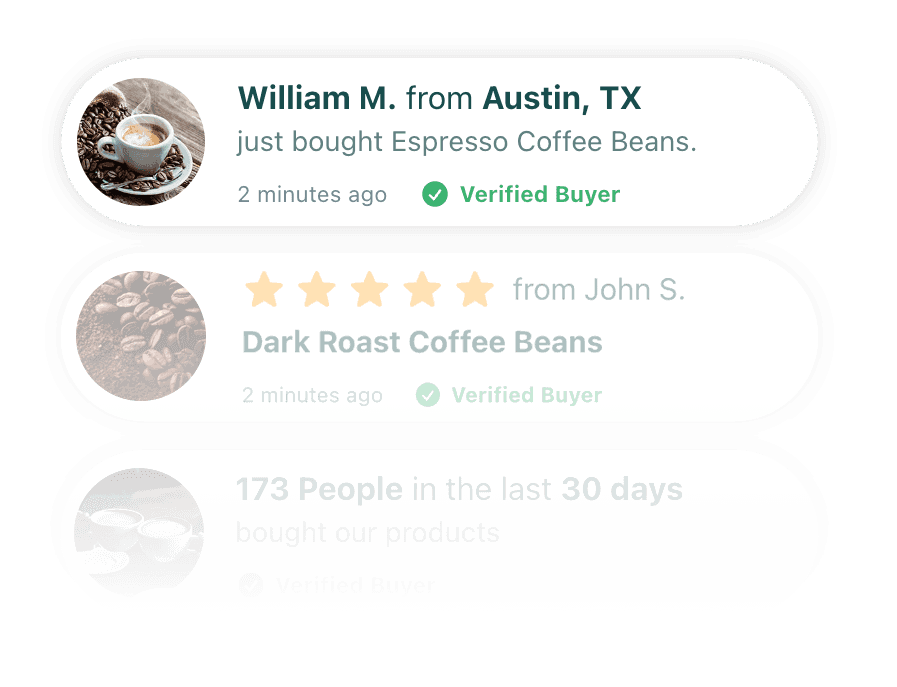
The Idea: A small widget that shows real-time actions — like “2 people just bought this product” or “15 are viewing this page now.”
Why it works:
FOMO sells. This builds instant trust and urgency, especially for small ecommerce brands. Add an AI layer that tests different copy and timing for maximum conversion.
7. Quick Launch Landing Page Builder
The Idea: A rapid landing page builder with built-in analytics, AI copywriting, and feedback forms.
Why it works:
Founders waste time juggling Google Analytics, Typeform, and SEO tools. Combine them into one clean interface that lets them test ideas fast.
Bonus: Offer AI-driven suggestions for better CTAs and headlines.
8. Micro SEO Audit Generator
The Idea: A one-page SEO audit tool that analyzes a site and emails a visual report.
Why it works:
Perfect for agencies and consultants. Use open-source SEO libraries, package them into a clean UI, and charge a small subscription.
Pro move: White-label it so freelancers can use it to generate leads.
9. Slack Taskbot for Teams
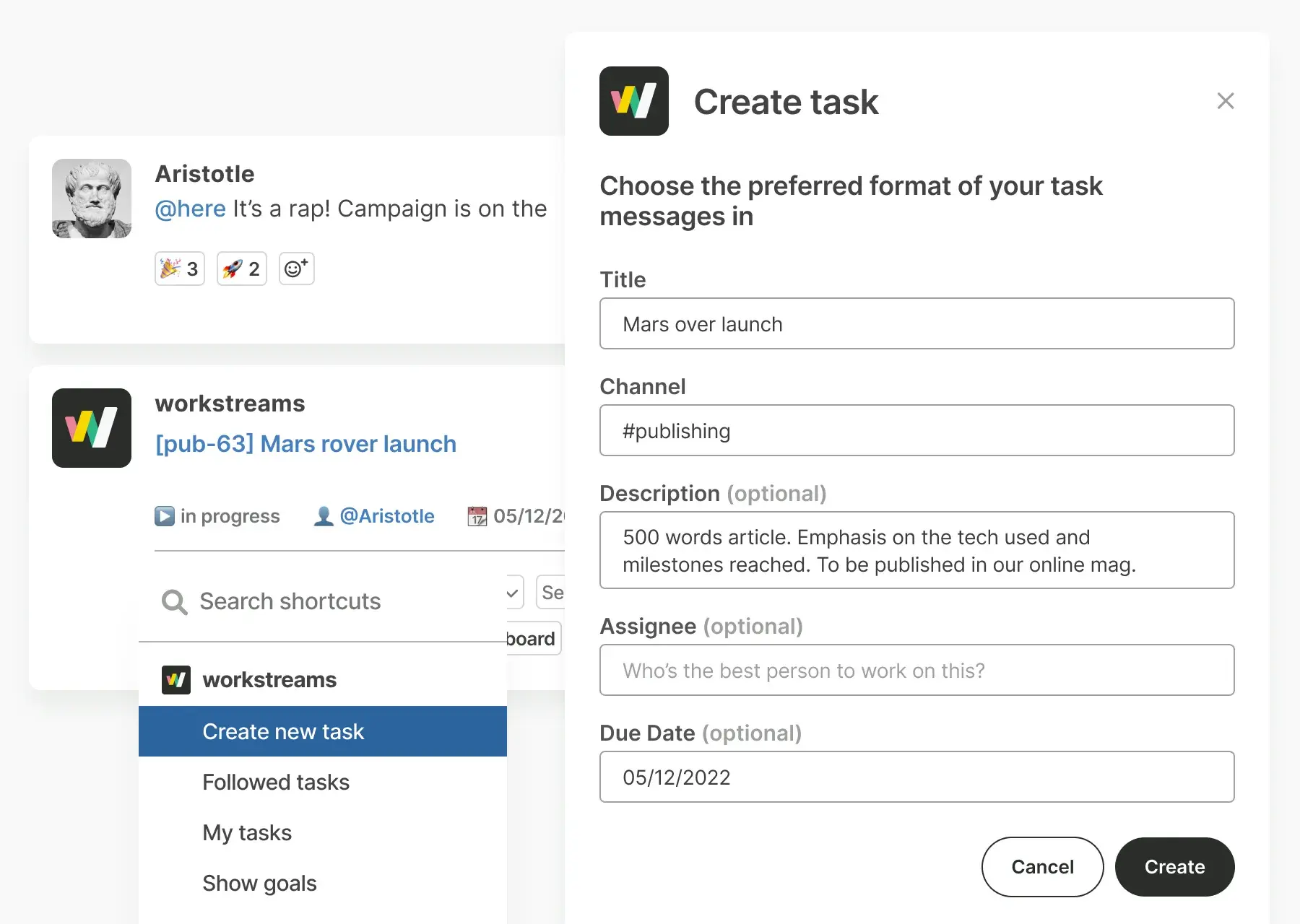
The Idea: A bot that lets users create, assign, and close tasks directly in Slack — without leaving the chat window.
Why it works:
Slack has over 30 million daily users. Your bot can simplify internal task management and plug into tools like Notion or Trello.
Marketing idea: Target remote teams that hate switching tabs.
10. Real-Time Feedback Widget
The Idea: A micro widget that asks users for feedback contextually — when they take an action, not after they leave.
Why it works:
Most feedback tools feel like post-mortems. Catch users in the moment and pair the data with AI analysis for actionable insights.
Use case: SaaS founders improving onboarding UX.
11. AI Social Caption Generator
The Idea: A web tool that generates platform-optimized captions based on tone, audience, and goal.
Why it works:
Creators and small businesses struggle with consistent social posting. This tool uses GPT-style models to craft short, catchy posts that sound human — not robotic.
Extra feature: AI learns your brand tone over time.
12. Micro CRM for Solopreneurs
The Idea: A compact, clean CRM made specifically for one-person businesses.
Why it works:
Most CRMs feel like overkill. Solopreneurs just need to track leads, follow-ups, and invoices — nothing else. A minimal tool with built-in automation hits that sweet spot perfectly.
Growth hack: Build integrations for email clients and calendar sync.
The Fast-Launch Framework (How to Build in 7 Days)
Here’s how to turn any of these ideas into a working MVP within a week:
Day | Action |
|---|---|
1 | Pick your niche & pain point |
2 | Sketch the UI and define the core feature |
3 | Build a no-code prototype (try Bubble or FlutterFlow) |
4 | Add one automation or AI layer |
5 | Share on Reddit, Indie Hackers, or Twitter |
6 | Collect first feedback and refine |
7 | Launch your MVP publicly and start billing |
You don’t need a perfect product. You need a functional one that solves a tiny, real problem for a specific group of people.
If you’re just starting, read our guide on how to reduce your ad costs without losing conversions.
FAQs About AI Micro SaaS Ideas
1. What is a Micro SaaS?
A Micro SaaS is a small, focused software product solving one problem for a niche market — often built and run by a solo founder or small team.
2. Do I need coding skills to start a Micro SaaS?
Not necessarily. You can use no-code tools like Bubble, Tally, or Make (formerly Integromat) to build and automate most MVPs.
3. How can I validate my idea quickly?
Build a minimal prototype, share it with your target audience, and get paying users early. If people pay, you’ve validated it.
4. How much revenue can I expect?
Many founders hit $500–$5,000 MRR within months if they solve a real pain point and price smartly.
5. How do I find users for my SaaS?
Start with communities — Reddit, Indie Hackers, Facebook groups, or X (Twitter). Offer early-bird pricing and listen to feedback.
6. What if someone copies my idea?
Execution beats ideas. The best founders iterate faster, listen better, and serve their users deeper.
Final Thoughts
Building a micro SaaS isn’t about scale — it’s about speed and clarity.
You don’t need 10,000 users. You need 10 people who love your tool and would pay for it tomorrow.
Pick one idea from this list.
Validate it this week.
Ship it. Learn. Repeat.
That’s how real indie founders build freedom — one micro SaaS at a time.